

12 Dec Heat Pump vs. Gas Furnace in Tucson: Which Offers Lower Winter Cost?
As Tucson residents prepare for cooler months, many homeowners find themselves asking which heating system will deliver the most comfort for the least cost: a heat pump or a gas furnace. Both options have their strengths, but the right choice often depends on your home’s energy use, budget, and the desert climate. At Temco AC Repair & Replacement, we help homeowners understand these systems inside and out, so they can make informed decisions that maximize efficiency and minimize winter energy bills.
Understanding How Each System Works
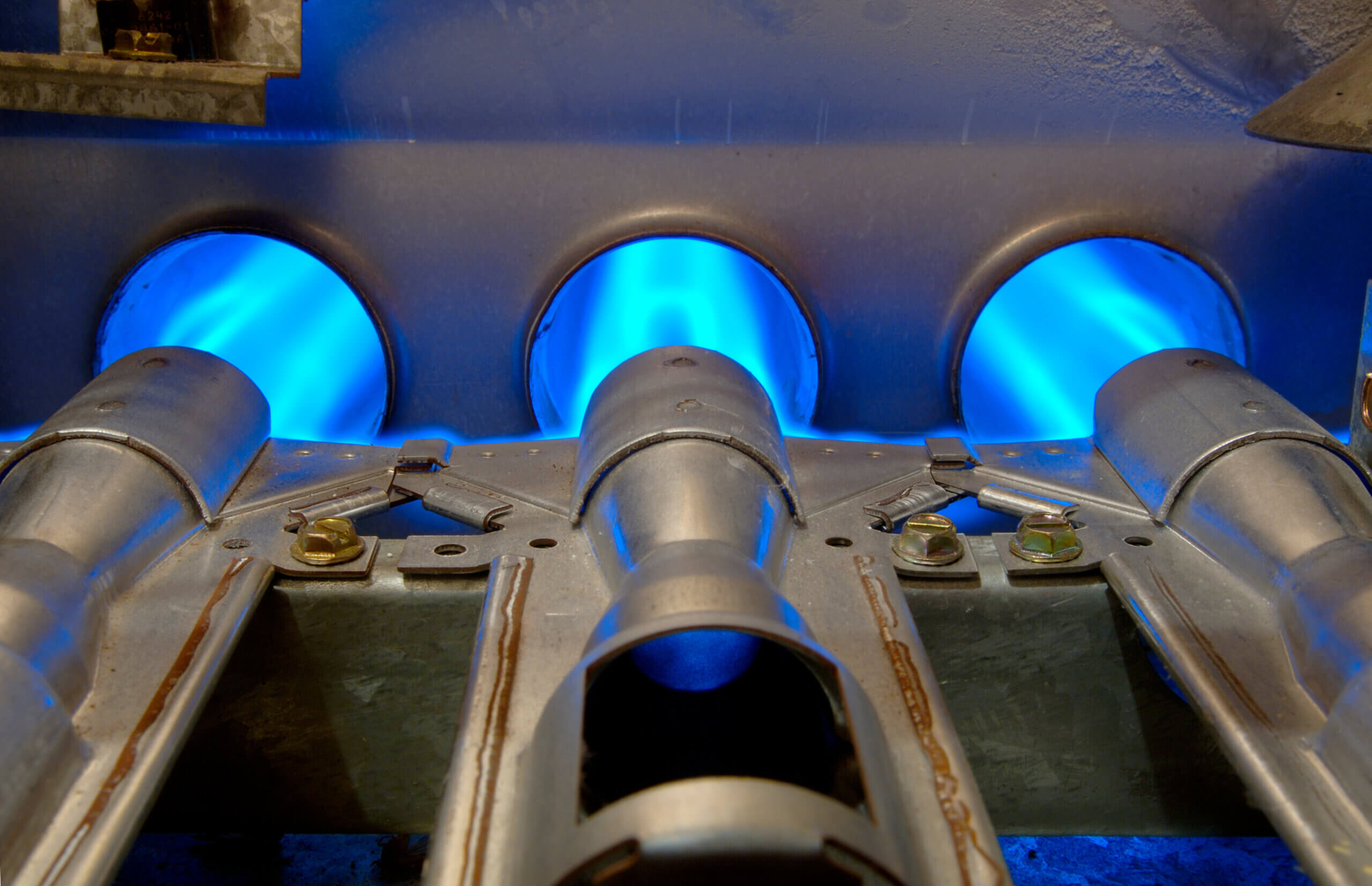
Heat pumps and gas furnaces operate in very different ways. A heat pump transfers heat from the outdoor air into your home, even when temperatures drop, using electricity as its energy source. In contrast, a gas furnace generates heat by burning natural gas and distributing it through your ductwork. Tucson’s mild winters make heat pumps particularly effective because they don’t have to work as hard to extract warmth from the air, while furnaces tend to be better suited to colder climates where freezing temperatures are common.
Comparing Operational Costs
When it comes to monthly costs, heat pumps generally have the upper hand in Tucson’s climate. Since they use electricity to move heat rather than generate it, they can be up to three times more energy efficient than gas furnaces. This means lower utility bills for most of the winter. However, gas furnaces can still be cost-effective when natural gas prices are low or when higher heating demands are needed. The key is Tucson’s moderate winter weather. Because temperatures rarely drop below freezing, a high-efficiency heat pump can often heat your home for less money than a furnace.
Lifecycle and Maintenance Considerations
The average heat pump lasts around 10 to 15 years, while a gas furnace can run for up to 20 years with proper care. However, heat pumps operate year-round, providing both heating and cooling, so their components experience more wear. Regular maintenance is crucial for both systems to ensure peak efficiency and reliability. Temco AC’s expert technicians provide comprehensive maintenance plans that include inspecting coils, checking refrigerant levels, cleaning filters, and testing furnace burners to keep both systems operating smoothly throughout their lifespans.
Energy Ratings and Efficiency Standards
Efficiency ratings play a big role in long-term energy savings. Heat pumps are measured by SEER (Seasonal Energy Efficiency Ratio) and HSPF (Heating Seasonal Performance Factor), while gas furnaces are rated by AFUE (Annual Fuel Utilization Efficiency). A high-efficiency heat pump with a SEER rating above 16 and an HSPF of 8 or higher can significantly cut energy use, while modern furnaces with AFUE ratings of 90% or more ensure most of the fuel converts directly into heat. Temco AC can help you evaluate these ratings and select the best system for your home’s energy profile.
Local Incentives and Installation Support
Tucson homeowners may also benefit from local rebates and federal tax credits for installing high-efficiency heat pumps or furnaces. These incentives can offset upfront costs and make long-term savings even greater. Temco AC Repair & Replacement stays current with available energy programs and can guide you through every step to ensure you get the most value for your investment.
Temco AC Repair & Replacement wants to make choosing between a heat pump and a gas furnace less confusing. With Tucson’s mild winters, both systems can offer comfort and savings when properly maintained and installed. For expert advice, installation, and repairs for either heating system, contact us today. Our Tucson heating and cooling professionals will help you find the ideal system to keep your home warm and energy-efficient all season long.



Sorry, the comment form is closed at this time.